



















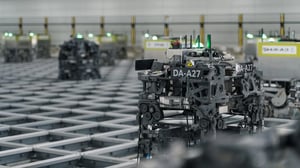
Build a fulfilment network that works for every order
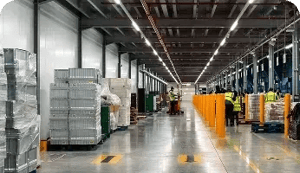
Every fulfilment format brings different strengths. Stores use existing locations and inventory to serve nearby demand, dark stores provide dedicated local or regional capacity, and centralised facilities combine inventory and automation to serve wider markets at higher volumes.
Ocado helps retailers define the role of each location, apply the right operating model and technology, and connect capacity across the network. The result is a more flexible approach that can adapt as demand, service expectations and growth priorities change.
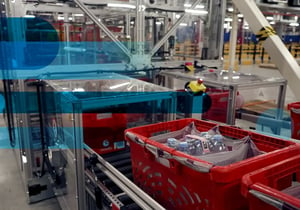
Every shopper promise creates many fulfilment decisions
Customer expectations are rising as channels, order profiles and service windows become more varied. Scheduled delivery, same day collection and orders needed within the hour may all draw on the same inventory, space and labour. Fresh, fragile and bulky products add different handling requirements, while peaks can expose constraints across picking, consolidation and dispatch.
Adding people may provide short term capacity, but it can increase cost without creating enough throughput or improving the shopper experience. Optimising one task in isolation can also move the bottleneck elsewhere. The right fulfilment model depends on where demand is concentrated, how quickly orders must be ready, what the products require and which assets are already available.
Different fulfilment formats, one connected network
Fulfilment does not need to follow the same model in every location. Ocado helps retailers give stores, dark stores and centralised facilities a clear role based on volume, local demand, service requirements, product needs, available capacity and the economics of the operation.
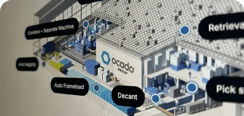
Each format can then use the right combination of software, robotics and automation for the work it needs to perform. Connected within a wider fulfilment network, these formats help retailers make better use of existing assets, add capacity where it creates the strongest return and serve more customer missions as demand evolves.
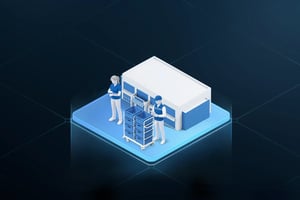
Fulfil from stores
Unlock more online growth from your store network
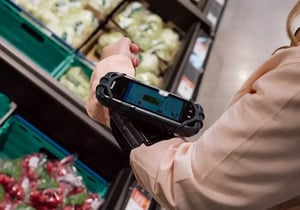
Use inventory already close to customers to serve collection, local delivery and rapid orders while supporting store replenishment.
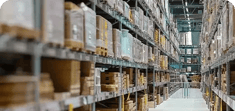
Stores are valuable fulfilment assets, but online orders add work to buildings designed around shoppers. Associates must pick accurately while shelves are replenished, customers move through the aisles and demand changes throughout the day. As volumes grow, adding labour can increase cost without creating enough capacity, while poor coordination can affect both online service and the store experience.
Ocado’s In-Store Fulfilment guides associates with intelligent batching and optimised pick routes, and Store Based Automation adds compact automated storage and picking within or beside the store. Together, they help retailers serve more online demand through their store network.
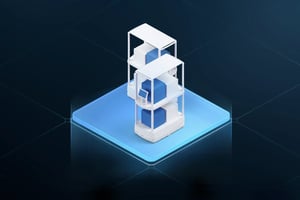
Fulfil from dark stores
Build dedicated capacity closer to customers
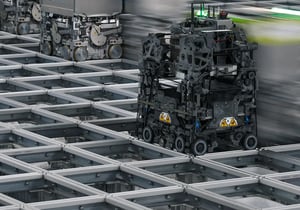
Serve collection, local delivery and rapid orders from a dedicated picking environment without competing with shopper traffic.
Dark stores give online fulfilment more space and control, but inventory, picking, replenishment and dispatch still need to work as one flow. As demand grows, long pick routes and poorly coordinated tasks can increase labour requirements and limit throughput.
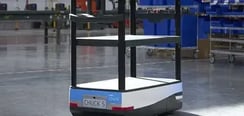
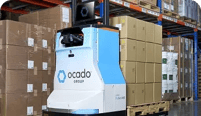
For grocery, In-Store Fulfilment optimises manual picking and supports planned and rapid orders. Where the products, layout and conditions suit mobile robotics, Chuck AMR works alongside associates to direct picking tasks and reduce walking.
Explore products:
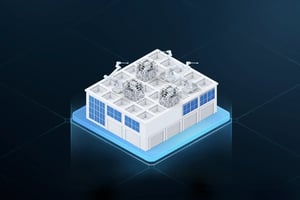
Fulfil from centralised facilities
Build centralised capacity for growth at scale
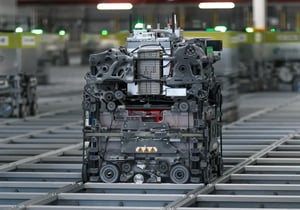
Bring inventory and order preparation together to serve wider markets, broader ranges and higher order volumes.
Centralisation can improve inventory access, productivity and capacity utilisation, but it also concentrates operational pressure. Storage, picking, replenishment, buffering and dispatch must work as one connected flow to protect service as volumes grow.
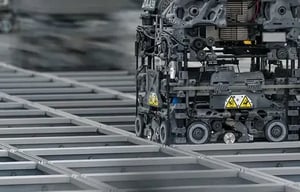
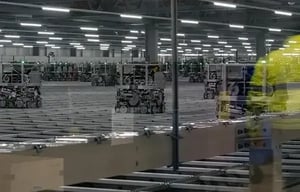
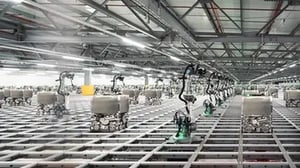
For online grocery, Ocado Customer Fulfilment Centres combine high density automation with Ocado Smart Platform intelligence to coordinate fulfilment from storage through dispatch. For other industries, Ocado Storage and Retrieval Solutions combine dense storage, intelligent software and automated retrieval to increase capacity and throughput.
Fulfilment solutions built in live operations and proven at scale
Ocado began as an online grocer and has spent more than 25 years building, operating and improving live commerce and fulfilment operations, first within its own business and now with partners worldwide. Our technology is shaped not only by engineering expertise, but by the daily realities of serving customers reliably and profitably at scale.
That experience informs every stage of an Ocado deployment, from assessing workflows and designing the solution to integrating systems, supporting operations and improving performance over time.
For grocery retailers, the modular Ocado Smart Platform can connect fulfilment with ecommerce, supply chain and last mile capabilities. Across grocery and other industries, Ocado works with each operator to fit the right technologies into its systems, processes and growth plans.
Explore:
You are here Fulfilment Explore Ecommerce Explore Supply Chain Explore Last Mile Explore Ocado Smart Platform
Optimise your fulfilment network for growth
Tell us about your demand, product range, service requirements, existing sites and capacity constraints. We will help define the role of each fulfilment format and identify where your network can add capacity, strengthen service and support profitable growth.
FAQ
Store fulfilment prepares online orders from a customer facing store. Dark stores use space dedicated to online orders. Centralised facilities bring inventory and order preparation together to serve a wider area or higher volumes. A network can use more than one format.
Yes. Stores, dark stores and centralised facilities can play complementary roles. Their supporting technologies may have different architectures and integration requirements, so the connection to existing systems and processes is planned for each operation.
Start with order volume, products, service windows, available space, labour, current infrastructure and investment priorities. Ocado assesses the role of each site before recommending where software, robotics or automation can deliver the strongest return.